
Infrastructure Investment and Economic Stability
Why governments invest in roads, transit, and utilities — and how these projects affect long-term economic health.

What Makes Infrastructure Spending Different
Infrastructure spending isn’t like regular government budgets. When Ottawa funds a new highway or a transit system, they’re not just spending money — they’re building assets that’ll generate value for decades. Roads don’t disappear after a few years. A properly maintained bridge works for 50, 75, sometimes 100 years.
That’s why economists think about infrastructure differently. It’s an investment in the country’s productive capacity. You invest in infrastructure because it makes businesses more efficient, helps workers get to jobs faster, and reduces costs across the economy. The question isn’t whether we can afford to build it. It’s whether we can afford not to.


How Infrastructure Boosts Economic Activity
Let’s walk through what happens when government funds infrastructure. A new transit line connecting suburbs to downtown doesn’t just move people. It opens up labor markets. Workers can live further away but still reach jobs. Businesses can expand because they’ve got access to a bigger pool of employees.
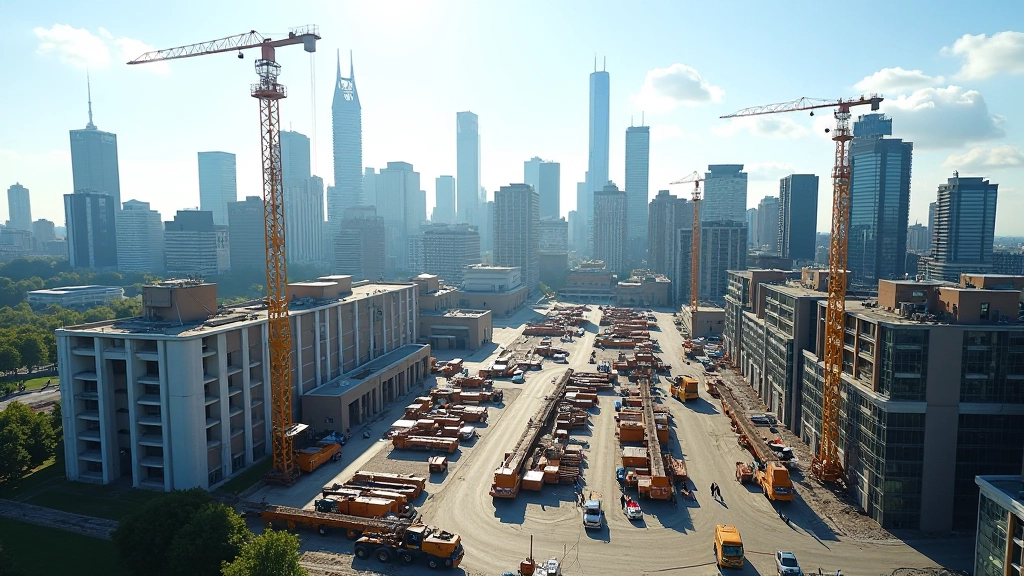
Construction itself creates immediate employment. You’re hiring workers, purchasing materials, paying equipment rentals. That money flows through local economies. But the real impact comes later. Once the transit line is operational, commute times drop. Fewer hours sitting in traffic means more productive time. Shipping costs decrease. Supply chains become more efficient. A manufacturer can serve more customers from the same facility.
There’s also the multiplier effect. Workers earning construction wages spend that money locally — restaurants, retail, housing. That spending creates more jobs. It’s not magic, just economics at work.
The Main Categories of Infrastructure Investment
Governments typically invest in four major areas. Each has different timelines and economic effects.
Transportation Networks
Roads, highways, bridges, and rail systems. These connect markets and reduce shipping times. A well-maintained highway network can reduce logistics costs by 10-15% for businesses.
Water and Utilities
Water treatment plants, sewage systems, electrical grids, and telecommunications. These are foundational. You can’t have a functioning economy without clean water and reliable power.
Public Facilities
Schools, hospitals, courthouses, and government buildings. These support public services and aren’t profit-driven, but they’re essential for economic stability.
Digital Infrastructure
Broadband networks, data centers, fiber optic cables. Modern economies run on connectivity. Rural broadband investment is opening economic opportunities in communities that were previously isolated.
The Timing Problem and Economic Cycles
Here’s where infrastructure gets tricky for policymakers. The benefits take time to materialize. You approve funding for a highway expansion in 2024. Planning takes a year. Construction takes another 2-3 years. The actual productivity gains? They come in 2028, 2029, beyond. That’s a long wait.
Meanwhile, the political pressure is immediate. Voters want jobs now, not five years from now. That’s why governments sometimes fund infrastructure during recessions — it’s actually good timing economically. When the economy is weak, construction workers are underemployed anyway. The costs are lower. But politically, it looks like wasteful spending.
Canada’s infrastructure spending reflects this tension. Federal budgets commit funds across multi-year cycles, but approvals and actual construction disbursements don’t always align neatly. The result? Sometimes infrastructure investment lags behind what’s actually needed.

Why Economic Stability Depends on Infrastructure Quality
Economic stability isn’t just about low inflation or steady employment. It’s about whether the underlying systems that support commerce actually work. When infrastructure deteriorates, costs cascade through the entire economy.
Think about a city with aging water infrastructure. Pipes break regularly. Boil-water advisories shut down restaurants. Businesses relocate to areas with reliable utilities. Property values drop in affected neighborhoods. Workers leave. Tax revenues decline, making it even harder to fund repairs. It’s a downward spiral that’s hard to reverse.
Conversely, investing in infrastructure maintenance prevents these cascades. A dollar spent on preventive repairs saves three dollars in emergency fixes. And it keeps the economy functioning smoothly. That stability attracts investment. Companies choose to expand in places where they know the roads work, the power’s reliable, and the water’s safe.
The Debt Question: Can We Actually Afford It?
This is the central debate in Canadian fiscal policy. Infrastructure spending requires borrowing money. The federal government issues bonds to finance projects. That adds to national debt. Critics worry we’re mortgaging the future.
But economists push back on that framing. If you borrow $100 million to build a highway that generates $150 million in economic productivity gains, that’s a good deal. You’ve made money. The debt is worth it.
The real question is whether the projects being funded actually deliver those returns. That’s where it gets complicated. Some infrastructure projects are clearly valuable. A transit system connecting a growing suburb to downtown? That’s generating returns. A bridge to a remote area with minimal traffic? Maybe not.
Canada’s infrastructure deficit is estimated at $60-80 billion annually. That’s the gap between what we’re investing and what we need to maintain current systems at adequate levels. We’re underinvesting, not overinvesting.
The real risk isn’t borrowing for good infrastructure. It’s underfunding essential maintenance while the debt accumulates anyway. That’s when you get the worst of both worlds — high debt and deteriorating systems.
What This Means for Economic Stability
Infrastructure investment isn’t discretionary spending. It’s foundational to whether an economy can actually function. Roads, water systems, power grids, transit — these aren’t luxuries. They’re the platform on which everything else operates.
Canada faces a specific challenge. We’ve got aging infrastructure from the 1970s and 1980s that needs replacing. We’ve got growing cities that need expansion. We’ve got climate pressures requiring resilient systems. And we’ve got competition from other countries investing heavily in their own infrastructure advantages.
The stability question isn’t whether we can afford to invest. It’s whether we can afford not to. Underinvesting now creates bigger costs later — congestion, business relocations, reduced competitiveness, emergency repairs, and emergency debt. That’s the real fiscal trap.
Smart infrastructure investment, funded responsibly, strengthens economic stability. It’s not about ideology — it’s about building a functional foundation for the economy to operate on.
Explore Related Topics
Learn more about how government spending decisions affect the broader economy and your financial planning.
Back to Fiscal PolicyEducational Information
This article provides educational information about infrastructure investment and economic principles. It’s not financial advice, investment guidance, or policy recommendations. Economic conditions vary by region and change over time. For specific guidance on your financial situation or understanding government policies affecting you personally, consult with qualified financial advisors, economists, or government resources. The information presented reflects general economic concepts and is intended to increase understanding of how infrastructure spending works.